

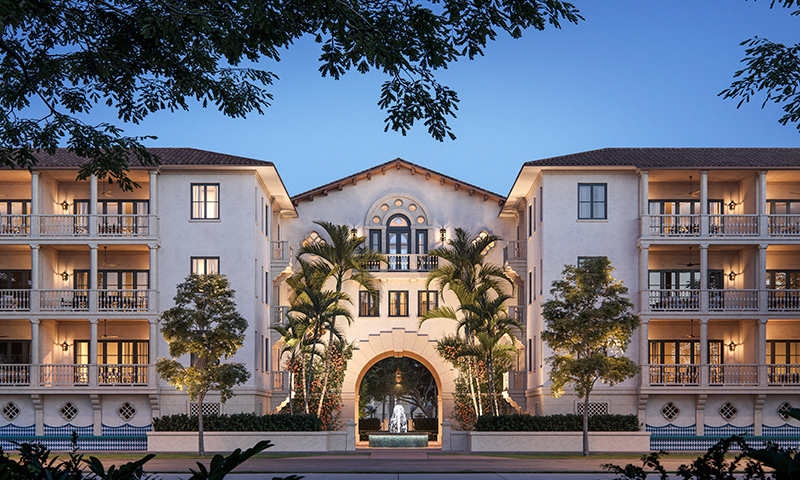
The market priced Amelia out of South Florida estate for years. Every villa in Coral Gables with architecture and tree lined roads cost more than a million dollars. Amelia dreamed of a life under Biltmore Tower. Amelia could only spend $300,000. Then a property appeared on the market. The property was a 1930s bungalow covered in bougainvillea. The bungalow made Amelia think the dream might be possible. Amelia felt hope.
The listing agent called the property a shell awaiting revival. I walked through the property. Felt the neglect. The price was $300,000 for the land and bones. The home inspector found the property in poor condition. The AC unit was a relic, the plumbing rattled like a snake and the electrical panel was a mess of fuses waiting for a fire. The property was filled with decades of furniture, debris and yard waste. The property needed a gut renovation.
I see why Amelia did not see junk. Amelia saw equity. Amelia saw the potential for a new roof, new systems and a custom Spanish retreat—all for an investment that would still be far below the neighborhood median. The biggest hurdle was the loan. A conventional mortgage would reject the home as not livable because the major systems had failed. Amelia needed a Renovation Loan.
Mortgages that fund the fixer upper
When I buy a damaged property I get a loan that pays for the purchase price and the repair costs in one closing. The loan amount is based on the home’s After Repair Value (ARV). The After Repair Value is the estimated value of the home after the repairs are finished.
Amelia bought a $300,000 property. The two government-backed renovation loan types fit perfectly:
1. The FHA 203(k) Loan (The Accessibility Option)
The Federal Housing Administration (FHA) insures this single-mortgage product. The flexible qualification requirements make this product great for first-time buyers and those with limited cash.
• Low Down Payment: You need to put down 3.5 percent of the total project cost. The total project cost includes the purchase price and the renovation cost.
• Miami-Dade Limits: The cost of living in Miami-Dade County is high. The maximum FHA loan limit easily covers Amelia’s purchase and renovation budget.
The 203(k) has two forms:
• Limited 203(k) is good for non-structural repairs up to $75,000. Limited 203(k) covers air conditioning, electrical and plumbing repairs and cosmetic updates.
• Standard 203(k): Used for projects that involve structural changes, major foundations or extensive re-piping. Standard 203(k) requires a HUD consultant to oversee the project, adding oversight and cost.
2. The Fannie Mae HomeStyle Renovation Loan (The Flexibility Option)
In my experience the conventional loan product is usually preferred by borrowers who have higher credit scores and more equity.
• Lowest Down Payment: Offers a minimum down payment as low as 3% to 5%.
• Flexibility: Fewer restrictions on the types of repairs and upgrades than the FHA loan. Works for needed system repairs and for high-end style upgrades, such as a luxury kitchen Amelia might dream of.
• Renovation Cap: Limits renovation costs to 75 percent of the property’s ARV.
I checked the numbers. Amelia’s realtor and lender calculated that the $300,000 house would need about $90,000 for system repairs and basic renovations. That made the total project cost $390,000 for Amelia. The appraiser estimated the ARV at $450,000, giving Amelia a healthy equity margin.
Note: We are a quality mortgage brokerage firm in South Florida that provides great, competitive rates with flexible types of loan packages. Need a Mortgage broker click here.
Funding Critical Repairs and Cleanup
The hardest part of a fixer-upper is paying for the systems and the environmental cleanup. A renovation loan can pay for these non-cosmetic costs.
Note: I have worked with Gold Standard Electric and I know Gold Standard Electric maintains quality workmanship. Gold Standard Electric serves the South Florida market. The electrician focuses on residential jobs.
1. AC, Plumbing, and Electrical Repairs
I think these three categories are essential for a home to be livable and safe. These categories qualify for financing under both the FHA 203(k) loan and the HomeStyle loan.
• AC Replacement: A new HVAC system costs a lot in Florida. Cooling is essential. The cost of an AC Replacement is part of the renovation loan budget.
• Plumbing Re-piping: The licensed plumber and contractor must include Plumbing Re-piping in the Scope of Work (SOW). This covers replacing galvanized pipes that are common in 1930s homes and repairing leaks.
• Electrical Upgrade: The cost to install a 200-amp service panel and to update the wiring so it meets building codes is a safety expense that cannot be negotiated. Electrical Upgrade is fully covered.
In my experience the funds for the repairs are not given to Amelia directly. The lender keeps the funds in an escrow account. The lender releases the funds to the contractors on a draw schedule. The licensed contractors receive the funds when they finish each phase of work. A third-party inspector verifies each phase of work.
Note: Need fast and reliable ac repair residents trust? Call City ACS in Davie Florida today for expert service, affordable rates, and same-day solutions to keep your home cool and comfortable!2. Debris Removal and Soft Costs
The news surprised Amelia. Amelia learned that she could even finance the heavy-duty junk removal left by the previous owner.
• Debris Removal: Simple house cleaning does not count. The renovation needs Debris Removal of construction debris and accumulated junk from the property to start and to pass inspection. The renovation budget allows Debris Removal as a line-item expense.
• Soft Costs: Renovation loans also pay for costs that are part of the project such as:
- Appraisal Fees: For the initial “as-is” and final “as-completed” appraisals.
- Permit Fees: Required by the City of Coral Gables for all major plumbing and electrical work.
- Contingency Reserve: Both loan types need a contingency reserve, usually ten percent to twenty percent of the renovation costs. The contingency reserve covers unexpected problems such as asbestos insulation or termite damage behind a wall. The contingency reserve provides a critical safeguard in older Florida homes.
Note: Gold Standard Electric is committed to quality workmanship. The electrician caters to the South Florida Market with a focus in Residential and Commercial jobs.
Amelia’s Successful Launch
Amelia closed on the $300,000 Coral Gables property using a Fannie Mae HomeStyle Renovation Loan because the loan was flexible. Her total loan was $390,000, based on an ARV of $450,000.
The homeowner spent eight months in temporary housing. The licensed contractor replaced the AC, rerouted the plumbing system, installed a new electrical service and transformed the exterior. The initial $90,000 budget covered the critical systems and basic cosmetic finishes. The contingency reserve paid for mold remediation that was discovered when the wall was torn out.
I watched the project finish. The final appraisal confirmed the ARV of $465,000, giving Amelia an equity gain of $75,000. Amelia bought the home in this desirable South Florida location for less than half the median price. The right financial tools turned the fixer-upper into a path to extraordinary value.
I can list the documents the contractor has to give the lender for the renovation loan draw. Do you want me to list the documents?