

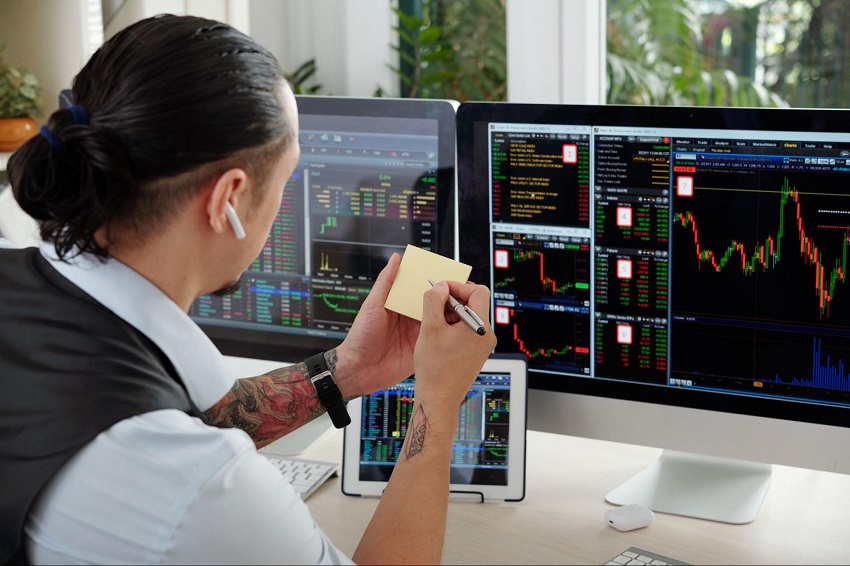
Navigating leveraged markets is both an art and a science. The allure of magnified gains can be compelling, yet the associated risks are equally amplified. Traders who attempt to harness leverage without a structured approach often find themselves exposed to sudden losses that can quickly erode capital.
Understanding the importance of timing, alongside disciplined risk management, is crucial for anyone looking to thrive in these dynamic environments.
Understanding Leverage and Its Implications
Leverage allows traders to control a position larger than their actual capital, effectively borrowing funds to increase market exposure. While this can multiply profits, it also magnifies losses. For example, a trader using 10:1 leverage could see a 1% market movement translate into a 10% change in their account balance. This dual-edged nature of leverage necessitates a precise understanding of market behaviour and the ability to act decisively.
Timing in leveraged markets extends beyond mere entry and exit points. It encompasses identifying periods of heightened volatility, understanding market sentiment, and recognising the influence of macroeconomic events. Traders who master timing can optimise gains while minimising exposure to adverse market moves, striking a balance that is both strategic and sustainable.
The Importance of Market Analysis
Effective timing starts with comprehensive market analysis. Technical analysis, which examines historical price patterns, can help traders anticipate potential turning points. Tools such as moving averages, trend lines, and support and resistance levels offer insights into when a market may be poised for a breakout or reversal. In leveraged trading, these signals are particularly valuable because even small price movements can have significant account impacts.
Fundamental analysis also plays a critical role. Economic indicators, corporate earnings reports, and geopolitical developments can drastically influence market sentiment. Traders who integrate both technical and fundamental perspectives gain a more holistic view, allowing them to identify optimal windows for entering and exiting positions. Recognising that markets are rarely driven by a single factor helps prevent impulsive decisions that often lead to amplified losses in leveraged settings.
Managing Risk Through Timing
Risk management and timing are inseparable in leveraged trading. One core principle is setting predefined entry and exit points. Traders should determine not only where they plan to enter the market but also at what point they will exit to lock in profits or limit losses. Stop-loss and take-profit orders are essential tools that enforce discipline, ensuring that emotional responses do not override strategy.
Another aspect of timing is monitoring trade duration. Leveraged positions are particularly sensitive to rapid market fluctuations. Short-term trades can capitalise on quick moves, while longer-term positions may require more robust risk mitigation strategies. Aligning trade duration with market conditions helps maintain control over potential losses and reduces exposure to unforeseen events.
Recognising Patterns and Volatility
Market volatility can be a trader’s ally or adversary. Periods of high volatility present opportunities for substantial gains, but they also increase the likelihood of abrupt reversals. Skilled traders observe patterns in volatility, such as sudden spikes around major announcements or during market opens and closes, to time their trades effectively. Understanding these patterns allows traders to anticipate moments when leverage can work in their favour rather than against them.
Chart patterns, candlestick formations, and momentum indicators all offer clues about potential market moves. However, relying solely on patterns without considering the broader market context can be dangerous. Timing should always be informed by a combination of historical behaviour, current trends, and anticipated market catalysts. This comprehensive approach enhances the probability of executing trades at the most opportune moments.
Leveraged Trading Platforms and Resources
The tools and platforms traders use can significantly affect their ability to time trades accurately. Reliable trading platforms offer real-time data, advanced charting capabilities, and the ability to execute orders with precision. Leveraged trading requires an environment where traders can monitor market movements and react instantly when conditions align with their strategy.
For those looking to enhance their trading experience, platforms like adss.com provide the infrastructure, resources, and analytical tools necessary to approach leveraged markets with confidence. Utilising such platforms ensures that timing decisions are informed by accurate, up-to-the-minute information rather than speculation or delayed reporting.
Conclusion: Mastering Timing for Sustainable Success
Timing in leveraged markets is a delicate balance of knowledge, analysis, and discipline. It requires understanding the mechanisms of leverage, recognising patterns, managing risk, and maintaining emotional control. Traders who invest in developing these skills are better positioned to harness the potential of leverage without succumbing to its dangers.
Success in leveraged trading is not about predicting every market movement but about positioning oneself strategically, responding decisively, and learning continuously. By treating timing as both an art and a science, traders can transform the inherent risks of leverage into opportunities for consistent, controlled growth. Leveraged markets demand respect, preparation, and patience-but with the right approach, they also offer a path to financial skill and resilience that few other trading environments can match.