

Choosing the right manufacturer is not only about getting a good rate. It decides whether your production runs smoothly, your field failures stay low, and your customers trust the build quality. Nisan Cords usually tells buyers to treat cables and harnesses like engineered parts, not like generic items you can swap anytime.
1) Start with your real operating conditions
Before you send enquiries, list where the part will work: heat, dust, vibration, water splash, tight routing, or frequent bending. Mention voltage and current load, expected life, and handling during installation. A cable that works in a panel may fail fast in a moving application. A harness that looks neat on the table may not fit well inside your enclosure.
It is better to include a simple drawing or reference sample along with your RFQ.
2) Check the basics that affect reliability
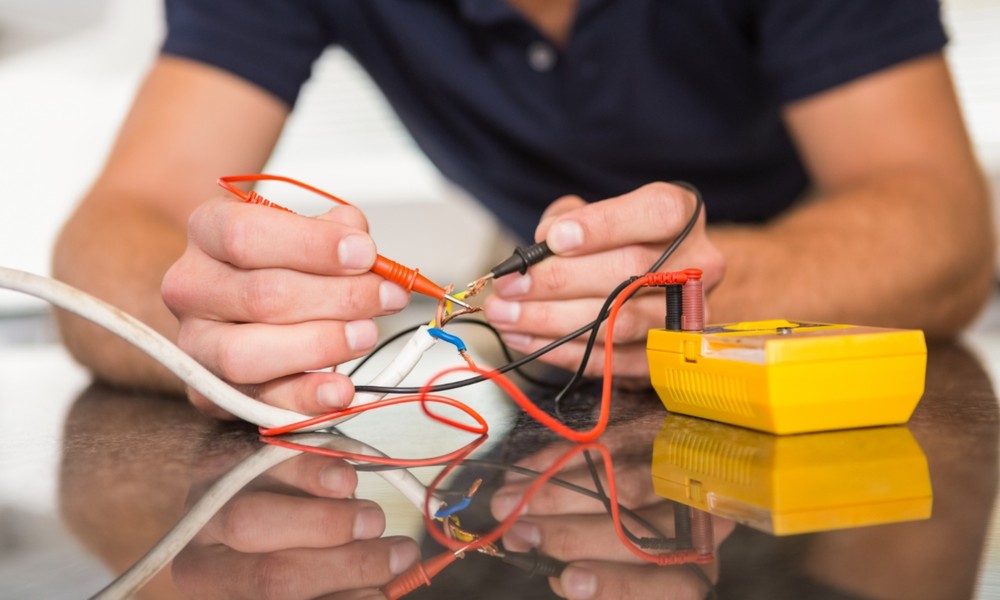
For cables, confirm conductor material, wire gauge, strand count, insulation thickness, and jacket type. Ask for tolerance ranges, not only “as per standard.” Also ask for basic test evidence: continuity, insulation resistance, and a load test summary.
For harnesses, focus on crimps, terminals, connector locking, and routing. Ask how they control crimp height and pull force, and whether they do routine cross-section checks. If they do not have a repeatable method, you have to be careful because harness issues usually show up later, in the field.
3) Evaluate the factory’s process control
A good supplier can explain their process without long sales talk. Ask these direct questions:
- What checks happen at incoming material, during assembly, and at final inspection?
- How do they prevent mixing similar SKUs?
- How do they manage rework and scrap?
- Can they trace a shipment to a wire lot and terminal lot?
Traceability matters because it shortens problem-solving time when a complaint appears.
4) Do not skip sampling discipline
Do not approve based on one perfect sample. Ask for multiple samples from the actual line, using the same tools and operators planned for bulk. Then run a small pilot batch and test units from different cartons.
It is better to test on your assembly line too, because fitment issues and routing problems appear only there. Packaging matters as well. Sealed cartons only for long routes, and inner packing that prevents pin damage and jacket scuffs.
5) Confirm compliance and change control
Ask for test reports linked to the same configuration you are buying. If your part needs specific markings or documentation, get it in writing before bulk. Then check change control. If the supplier changes wire vendor, insulation compound, terminals, or connector plating, you should get prior approval. Without change control, your “same part” can change quietly.
6) Capacity, lead time, and communication
A supplier can be technically strong and still fail on delivery. Ask about monthly capacity, peak season planning, and lead time stability. Also check how they handle delays and corrective actions. Clear communication often saves more money than a small rate difference.
When you shortlist a Wires & Cables manufacturer in India, compare them on repeatability, test support, and lot control, not only on price. When you work with Wire Harness manufacturers in India, give extra weight to crimp control, connector quality, and fitment discipline, because that is where reliability is won or lost.
In the end, you want a partner who delivers stable batches, clean documentation, and predictable dispatches. Nisan Cords recommends you qualify suppliers with practical checks, then lock a pilot run process so your supply stays consistent as volumes grow.